

Year-End Print Audit: What a Year of Printing Tells You
December 5th, 2027
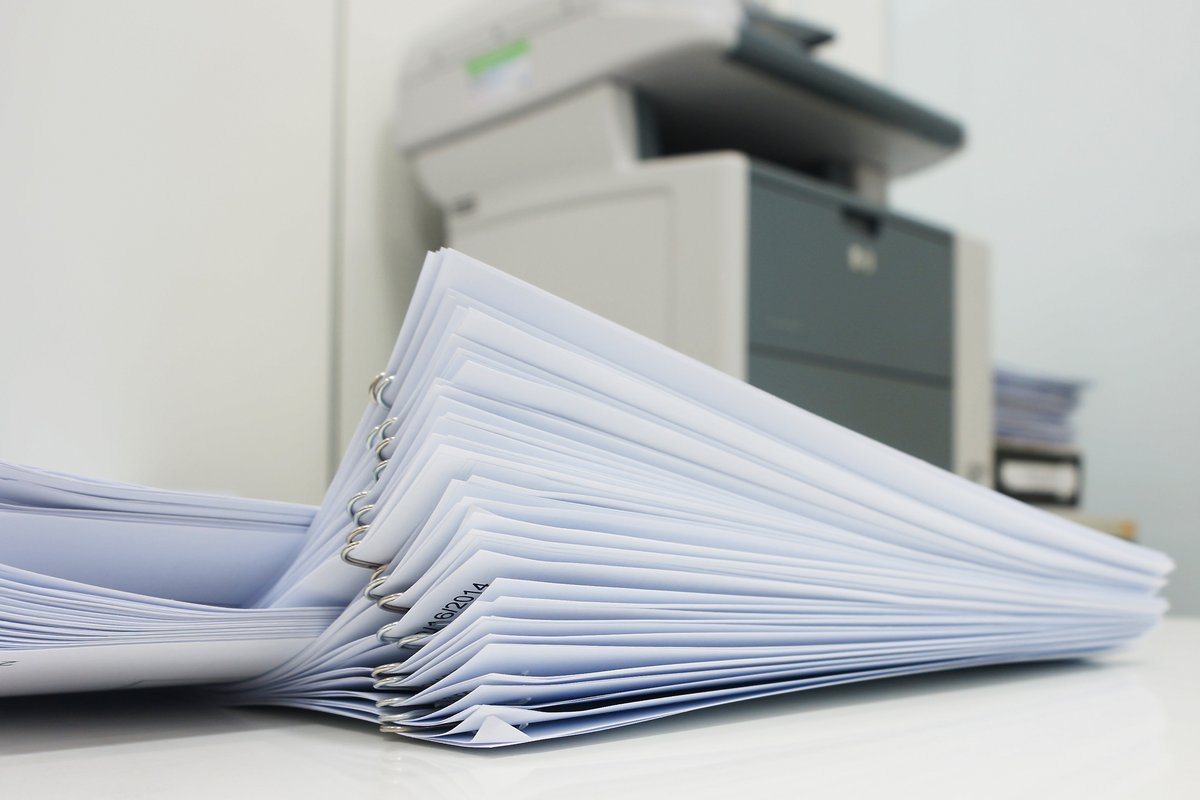
December is a good month for looking back. The year's invoices are in, the meter readings are recorded, and next year's budget is being assembled. It is also the best time to look at the office's printing, because a year of data tells a story that a single month cannot.
A print audit is not a complicated consulting project. It is a review of the records the office already has: meter reports, supply orders, service calls, and the pages people actually print. The goal is to see where the money went and what to change.
Gather the Records
Pull together the paper trail for the year:
- Meter reports for every copier and printer, including the desktop devices.
- Lease and purchase payments for each device.
- Service and maintenance invoices, with the reason for each call.
- Toner and ink purchases, including the emergency retail buys.
- Paper purchases, including the reams that disappeared without a record.
- Any print-related contracts that renew in the next twelve months.
If the records are scattered, gather what you can. A partial picture is still more useful than no picture.
Calculate the Real Cost per Page
Add the costs for a device or a group of devices and divide by the pages printed. Include the lease, service, supplies, and paper. If the office tracks staff time spent on print support, include an estimate for that too.
The number that matters is not the cost per page printed on a brochure. It is the cost per page the office actually paid, across the devices that actually ran. That number is often higher than expected, especially when the desktop printers are included.
Look at the Volume Trend
Compare this year's volume to the previous two years. Is the office printing more, less, or about the same? A steady decline is a signal that the equipment and the contract may be too large. A steady increase may mean a new workflow, a new location, or a device that is failing and sending jobs elsewhere.
Break the volume down by device if the reports allow it. The pattern often shows that one machine is doing most of the work while another sits idle.
Review the Service Calls
Service calls are a record of what went wrong. Sort them by device and by cause. A machine with repeated jams may have a paper or environment problem. A machine with repeated parts failures may be near the end of its life. A machine with repeated user errors may need training, not repair.
If the same issue keeps returning, the fix is probably not another service call. It is a change to the device, the supplies, or the way people use it.
Check the Contracts Before They Renew
Print contracts have a way of renewing quietly. Look at every agreement that comes up in the next year and note the renewal date, the notice window, and the terms.
- Does the page allowance match actual volume?
- Are supplies and service included, or billed separately?
- What is the overage rate?
- What happens at the end of the term?
- Is there an auto-renewal clause?
Put the notice dates on the calendar now, while there is time to compare options.
Ask the People Who Print
The numbers show what happened. The people show why. Ask a few staff members what they print, what they wish they could do digitally, and what annoys them about the current equipment.
Common answers include a form that still requires a signature, a report that is easier to read on paper, a printer that is always out of toner, or a scan-to-email process that takes too many steps. Those answers point to the changes that will actually reduce volume.
Set Three Changes for Next Year
A print audit that ends with a long report changes nothing. A print audit that ends with three specific changes has a chance.
Pick three that are within reach. Maybe it is right-sizing the copier at renewal, consolidating the desktop printers, moving one paper form to a digital form, or setting duplex and black-and-white defaults. Assign an owner and a date to each one.
Then repeat the audit next December. The comparison will show whether the changes worked, and the office will have a year of evidence for the next budget conversation.
A Clearer View of Print
Print is one of the easier expenses to ignore because it arrives in small pieces: a lease payment here, a toner order there, a service call in the middle of a busy week. A year-end audit adds those pieces together and shows the whole number. That number is the starting point for a better year.
Complete Document Solutions helps Southern California businesses with managed print services, copiers and printers, and printer supplies. If you would like help reviewing the year's print data, contact us before the next renewal.