

Your Reception Desk Is a Security Post
January 15th, 2027
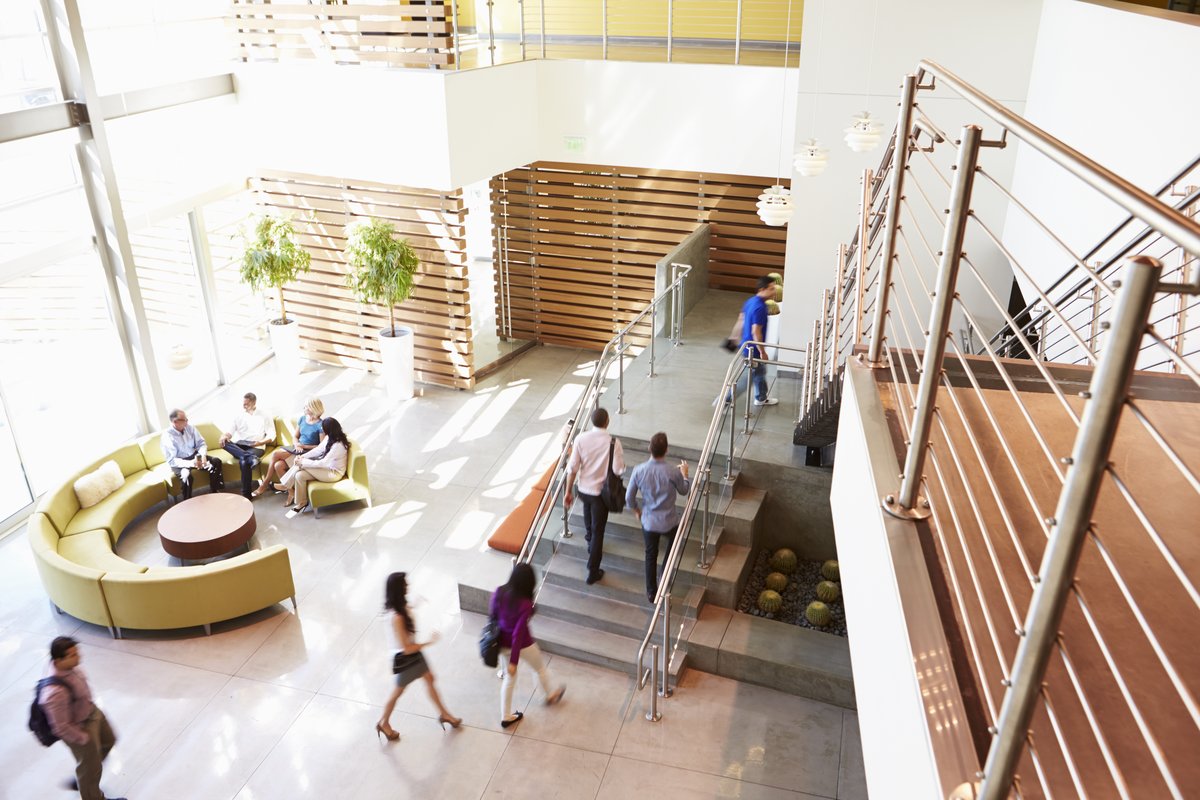
The reception desk is usually the friendliest place in the building. It is also the first place a stranger meets the company, the first place a delivery arrives, and the first place an urgent phone call lands. That combination makes it a security post, whether the person sitting there thinks of it that way or not.
Most cyber security advice focuses on email and passwords. Most real-world security incidents start with a person walking through a door or making a convincing phone call. The front desk is where both of those paths begin.
The Desk Sees What the Rest of the Office Misses
A visitor who says they have a meeting with someone whose name they almost remember. A delivery driver who needs to use the restroom. A caller who says the boss asked for a file and needs it right away. A contractor who arrives without a work order but has a convincing clipboard.
These are not rare events. They are the ordinary texture of an office day, which is exactly why they work. The receptionist is trained to be helpful, and helpfulness is what a social engineer is counting on.
Make Visitors Expected, Not Just Welcome
A visitor policy does not need to feel like airport security. It needs to answer three questions: who is expected, who is responsible for them, and how the office knows when they leave.
- Keep an appointment list. The person hosting the visitor should tell reception who is coming, when, and from which company.
- Sign in and wear a badge. A simple visitor badge makes it obvious when someone is not supposed to be wandering the floor.
- Escort or check in. For areas with client records, equipment, or cash, a visitor should not be left alone. If the host is late, the visitor waits at reception.
- Sign out. A badge that never comes back is a badge that can be reused another day.
For regular visitors and vendors, ask for a scheduled list rather than relying on the same friendly face every time. Familiarity is not the same as authorization.
Slow Down the Urgent Ones
Urgency is the oldest tool in the social engineer's kit. The caller is stuck in traffic and needs the invoice emailed now. The delivery driver is on a schedule and needs to leave the package behind the desk. The person on the phone is from IT and needs to verify the receptionist's login to fix a problem.
The defense is a short pause and a second channel. If someone asks for a document, a password, or access, say you will confirm and call back on the number the office already has. If a delivery is unexpected, check the tracking number or call the sender. If a caller claims to be from IT, ask for a ticket number and call the help desk yourself.
A useful script for the desk: “I can help with that, but I need to verify first. I will call you back on the number we have on file.” It is polite, it is short, and it does not require the receptionist to decide whether the person is lying.
Watch the Side Doors
Tailgating is the quiet version of walking in. Someone holds the door for a person carrying coffee, and the person carrying coffee is not supposed to be there. A locked front door means little if the back door is propped open for a smoke break or the garage entrance is treated as a shortcut.
Walk the building once a month and look at every entrance the way a stranger would. Are the doors closed? Are the badges required? Is the delivery area separate from the staff entrance? Are the security cameras working, and does anyone review the footage when something goes missing?
What Should Never Live at the Front Desk
Reception is a high-traffic area. Do not leave anything there that would hurt the business if it walked away:
- Passwords on sticky notes or in an unlocked drawer.
- Checks, deposit slips, or bank paperwork.
- Personnel files or client records waiting for pickup.
- Spare keys or master keycards.
- Packages that have not been logged and secured.
If the desk needs a password to do its job, it should be in a password manager, not under the keyboard. If a package cannot be secured immediately, log it and put it somewhere with a door.
Train the Desk, and Back It Up
The receptionist should not have to enforce security alone. Give the desk a one-page summary of the visitor policy, the callback script, the list of people who can approve access, and the number for IT. Review it with whoever covers reception, including the person who fills in during lunch.
Most important, make it clear that slowing a visitor down will not get anyone in trouble. A receptionist who feels pressured to keep things moving will keep things moving, and that is exactly what an attacker wants.
A Small Policy With a Big Effect
Door access, visitor logs, and callback verification are not glamorous. They are also some of the cheapest security controls a business can put in place. The front desk already sees the traffic. A little structure turns that view into a real early-warning system.
Complete Document Solutions helps Southern California businesses with cyber security and IT support, including practical reviews of the places technology and people meet. If you would like a second set of eyes on your front-desk process, contact us.