

When Your Phone System Sounds Older Than Your Business
February 15th, 2027
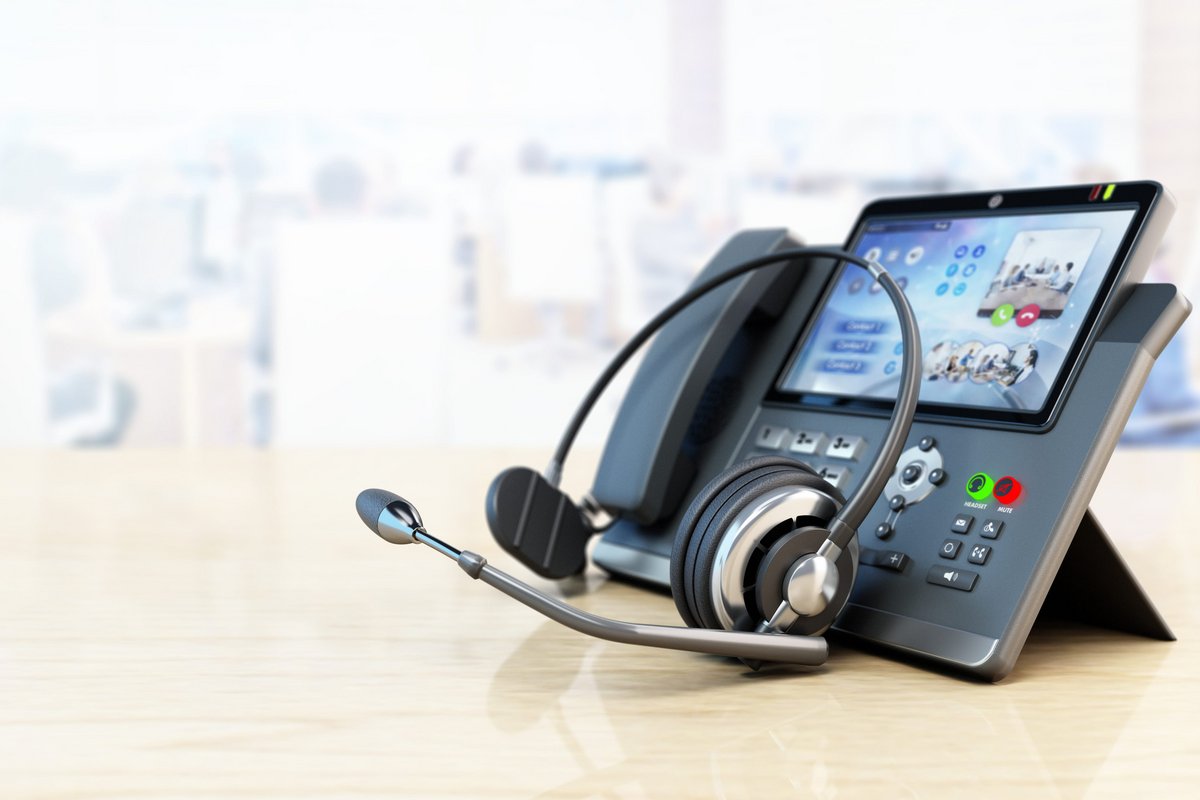
The customer says hello three times before the receptionist hears them. The call transfers, disappears, and rings back on the wrong desk. The voicemail greeting still mentions an office that moved two years ago. None of these is a catastrophe. Together they are the sound of a business that feels older than it is.
Phone systems are easy to ignore because they usually work. The handset picks up, the call goes through, and the day moves on. The problems are in the margins: the call that drops, the transfer that fails, the customer who gives up. Those margins are where small businesses lose business.
Your Phone System Is Part of Your Storefront
A customer who walks in sees the lobby, the front desk, and the person behind it. A customer who calls hears the greeting, the hold music, the transfer, and the voice on the other end. All of that is your business, even if none of it is written on a wall.
Ask a few customers what it is like to call you. The answer can be uncomfortable, which is why most offices never ask. A short survey or a few honest conversations will tell you more than any feature comparison.
Signs the System Is Behind
Not every old phone system needs to be replaced. But a few signs suggest it is costing more than it looks:
- Call quality depends on the weather or the building. Crackling, echo, and dropped calls are not normal.
- Transfers are a gamble. If staff avoid transferring because calls get lost, customers are being handled badly.
- Voicemail is a separate chore. No voicemail-to-email, no transcription, no way to see a message without dialing in.
- Remote work is awkward. The office phone cannot follow the person who is working from home.
- Nobody knows how to change the greeting. A holiday message stays up until February because changing it requires a vendor call.
- The phone bill is a mystery. Lines nobody uses, features nobody ordered, and charges nobody can explain.
- Emergency locations are wrong. If 911 cannot find the right office or floor, the system has a real safety problem.
The Hidden Costs of Keeping It
An old phone system does not send an invoice for its problems. The costs show up elsewhere.
Staff spend time repeating themselves, calling people back, and apologizing for transfers. Customers who cannot reach the right person call a competitor. A missed call after hours is a missed job. A garbled call is a second call, or no call at all.
There is also the maintenance cost. Old handsets fail. Replacement parts become harder to find. The person who set up the system has retired or moved on, and the documentation is a handwritten note in a drawer. Every small change becomes a one-off expense.
What a Modern Phone System Actually Buys You
The point of a newer system is not the feature list. It is the everyday experience behind it.
- Calls that sound like a conversation. Clear audio on a handset, a headset, or a softphone.
- Call routing that makes sense. The right person, the right queue, and a fallback when nobody answers.
- Voicemail that arrives in email. Read it, forward it, or call back without dialing into a mailbox.
- A phone that follows the employee. The desk phone at the office, the softphone on a laptop, and the same number in both places.
- Simple changes. Update the greeting, add a user, or change a menu without a service call.
- Better records. Call logs and recordings that help with training and disputes, when used responsibly.
- Accurate emergency locations. So a caller who needs help is found quickly.
Migration Without Drama
The fear with a phone system change is that the cutover will go badly. It can, if the project is treated as a hardware swap. It usually does not, if someone plans the details.
Start with the numbers: which numbers are published, which ones matter, and which can be retired. Confirm the porting timeline with the provider. Set up the new system alongside the old one, test the call paths, and move one department at a time if the size allows it. Train people on the handset and the softphone, not just the administrator.
Test the emergency address for every location. Update the website, the Google Business Profile, invoices, and the signatures that still list the old numbers. A modern system with an old number in the wrong place is still a problem.
Start With a Conversation, Not a Quote
Before comparing systems, describe how the office actually works. Who answers the phone? Who takes messages? What happens at lunch? What should happen after hours? Which calls must never go to voicemail?
Those answers shape the system more than the brand name on the box. A small office with one main number and a handful of desks needs something different from a practice with several locations and a call center.
Complete Document Solutions helps Southern California businesses with business phone systems, including VoIP, call routing, voicemail, and headsets. If your current system is making customers repeat themselves, contact us and we can talk through what a calmer phone experience would look like.