

Deepfake Voice-Clone Scams Are Targeting Business Payments
November 15th, 2026
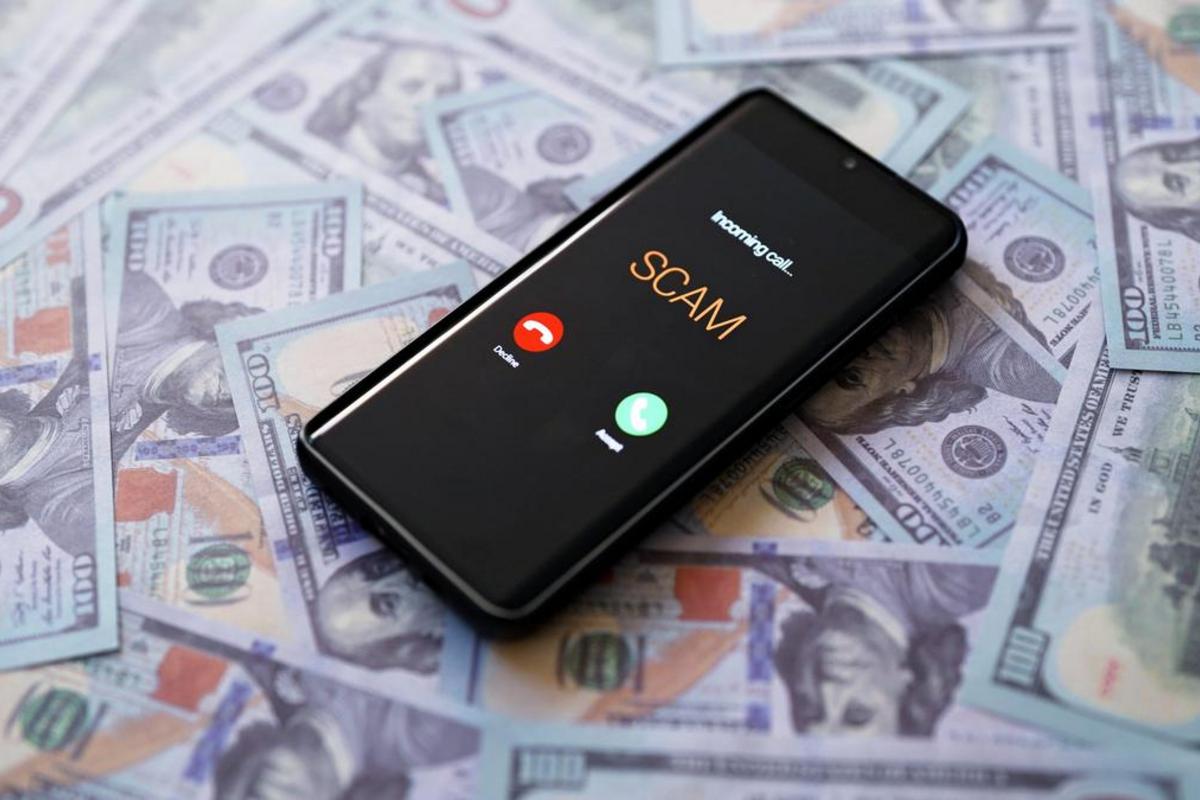
A finance employee receives a call from the company's chief executive. The voice sounds right. The caller ID shows a familiar number. The request is urgent: a confidential acquisition payment must go out before the bank closes, and the employee should not discuss it with anyone until it is done. Minutes later, a six-figure wire leaves the account.
The executive never made the call. The voice was cloned from public audio, the caller ID was spoofed, and the urgency was designed to prevent exactly the verification that would have stopped the transfer.
Voice-clone payment fraud is a social engineering attack with a technical upgrade. It does not break through a firewall. It persuades an authorized person to move money. For Southern California businesses, the control that stops it is rarely a better detector. It is a payment process that does not trust a voice alone.
How Voice-Clone Fraud Works
The attack follows a repeatable pattern, and each step is cheaper than it used to be.
Collecting the Voice
Cloning tools need only a short sample of clear speech. Public sources provide plenty: conference presentations, podcasts, webinar recordings, YouTube videos, voicemail greetings, and social media clips. In many cases a few seconds of audio is enough to produce a convincing clone. Attackers may also call first and record the conversation, then use that recording to build the model.
Executives are attractive targets because their voices are widely published. Employees who handle payments are attractive targets because they can authorize the transfer.
Making the Call
With a cloned voice and a spoofed number, the attacker calls the target directly. The script relies on three levers: authority, urgency, and secrecy. The request comes from someone senior. The deadline is immediate. The employee is told the matter is confidential, which isolates them from the colleague who might question the request.
Attackers often add details that make the call feel legitimate: a reference to a real project, a vendor name pulled from public records, or a follow-up email from a lookalike domain. Some run multi-person scenarios, with a second supposed executive joining the call to reinforce the pressure.
Moving the Money
The payout usually takes one of four forms: an urgent wire transfer, a change to a vendor's bank account details, a payroll diversion, or the purchase of gift cards. Wire transfers are preferred because they are fast and difficult to reverse once the funds are collected. Vendor bank detail changes are especially damaging because they can redirect future payments long after the original call.
Why the Attack Works
Voice is one of the strongest trust signals people have. A familiar voice on a phone line feels like proof of identity, even though it never was. Caller ID has been spoofable for years, and most employees know that in theory while still relying on it in practice.
Remote and hybrid work removed many of the informal checks that used to catch impersonation. An employee who would have walked down the hall to confirm a request now has only the phone call. Payment processes built for speed often rely on a single approver, and that approver is the person being manipulated.
The attack also exploits a normal human instinct: nobody wants to challenge the chief executive about a confidential deal. Creating that discomfort is part of the design.
What Detection Technology Can and Cannot Do
AI voice detectors exist, and they are improving. They are also inconsistent, especially on short calls, compressed audio, background noise, and accents. Detection results are not reliable enough to serve as the only control, and by the time a tool flags a call, the transfer may already be gone.
Email security tools do not stop a phone call. Multi-factor authentication protects accounts, not a payment instruction delivered by voice. Caller ID authentication standards help with some spoofing but do not cover every carrier or every call path.
Technology can reduce the volume of attacks and provide useful warnings. It cannot replace a verification step built into the payment process itself.
Controls That Actually Stop Payment Fraud
The most effective defenses are procedural, simple, and enforced every time. They work precisely because they do not depend on judging whether a voice sounds real.
Verify Through a Known Channel
Any request to move money or change payment details must be verified by calling back a number from the company directory, not the number that called. Better still, use a second channel: an in-person confirmation, a message through an established internal system, or a call to a known mobile number. The verification must reach the person through a route the attacker cannot control.
Require Dual Approval
No single employee should be able to release a large payment based on a phone call. Require a second approver who is empowered to question the request. The approver should receive the request independently, not through the employee who was targeted, so the attacker cannot apply pressure to both at once.
Put Payment Changes in Writing
Vendor bank account changes deserve their own workflow: a written request, verification with a known contact at the vendor through a previously established number, and approval by someone outside the accounts payable function. A phone call alone should never be enough to redirect future payments.
Limit Same-Day Wires
Set thresholds and timing rules that slow down unusual transfers. A same-day wire request above a certain amount should trigger a callback and a second approval. The delay is small compared with the loss, and it gives the organization time to verify.
Train Employees to Recognize the Pattern
Employees need to know that a cloned voice is now easy to produce. Training should focus on the pattern rather than the technology: an urgent payment request, a demand for secrecy, a change in payment details, and pressure to skip normal steps. Any one of those is a reason to pause. Together they are a stop signal.
Managers should make it clear that verifying a request from a senior leader is expected, not insubordinate. The culture has to support the pause.
Rehearse the Response
Tabletop exercises with finance, legal, and IT make the response automatic. Who calls the bank? Who contacts law enforcement? Who talks to the insurer? Who preserves the call records and email trail? A written incident plan and a short drill once a year do more than a stack of policies.
Responding When a Transfer Goes Out
Speed matters more than anything else after a fraudulent transfer. Contact the bank immediately and ask it to recall the wire. File a report with law enforcement and notify the company's insurer. Preserve call logs, voicemail, email, and any recordings. Inform leadership and legal counsel early, because the incident may trigger contractual and regulatory notification duties.
Recovery is never guaranteed. Funds are often moved through multiple accounts within hours. That is why the verification steps above matter more than the response plan: the goal is to stop the transfer before it happens.
Building a Payment Process That Does Not Trust a Voice
Voice-clone fraud is not a reason to stop using phones. It is a reason to stop treating a phone call as proof of identity for financial instructions. The businesses that resist these attacks combine clear payment procedures, independent verification, dual approval, and employees who feel safe pausing an urgent request.
Those controls sit inside a broader security program. Strong identity management, email protections, endpoint controls, and employee awareness reduce the attacker's opportunities before the call is placed, while a tested incident plan limits the damage if one gets through. A network security assessment can show where the current environment is exposed, and ongoing cybersecurity services keep the controls current as the tactics change.
Complete Document Solutions helps Southern California businesses strengthen the technology and the processes around payments. Our managed IT services team can review identity, email, and endpoint controls, and our IT support team helps employees report suspicious requests before they act on them.
Contact Complete Document Solutions to review your payment fraud defenses and close the gaps a cloned voice could exploit.